Training hard is only part of the equation. Whether you’re a runner, cyclist, gym enthusiast, padel player, or competitive athlete, recovery plays a critical role in helping you stay consistent, perform well, and support your long-term wellbeing.
As recovery technologies continue to evolve, red light therapy has become an increasingly popular addition to modern recovery routines.
At Glow North, we help active individuals incorporate science-backed recovery practices into their lifestyle through professional red light therapy treatments in Ballito.
Why Recovery Matters for Performance
Many people focus on training volume, intensity, and nutrition while overlooking recovery.
However, training creates physical demands on the body. Recovery provides the opportunity for the body to adapt, restore, and prepare for future activity.
Without adequate recovery, individuals may experience:
- Persistent muscle soreness
- Reduced training consistency
- Fatigue
- Decreased motivation
- Reduced physical performance
- Increased difficulty maintaining fitness goals
The goal isn’t simply to train harder—it’s to recover smarter.
The Demands of Modern Training
Today’s active lifestyles often involve more than just exercise.
Many athletes and fitness enthusiasts balance training with:
- Full-time careers
- Family responsibilities
- Travel commitments
- Social obligations
- Limited recovery time
As a result, recovery often becomes the first thing sacrificed when schedules become busy.
This is why many active individuals are seeking efficient ways to support recovery and overall wellbeing.
What Is Red Light Therapy?
Red light therapy uses specific wavelengths of red and near-infrared light to support the body’s natural biological processes.
The treatment is non-invasive, comfortable, and requires no downtime, making it easy to integrate into an existing training or wellness routine.
Red light therapy has become increasingly popular among athletes, fitness enthusiasts, and wellness-conscious individuals looking to prioritise recovery.
Who Can Benefit?
Runners
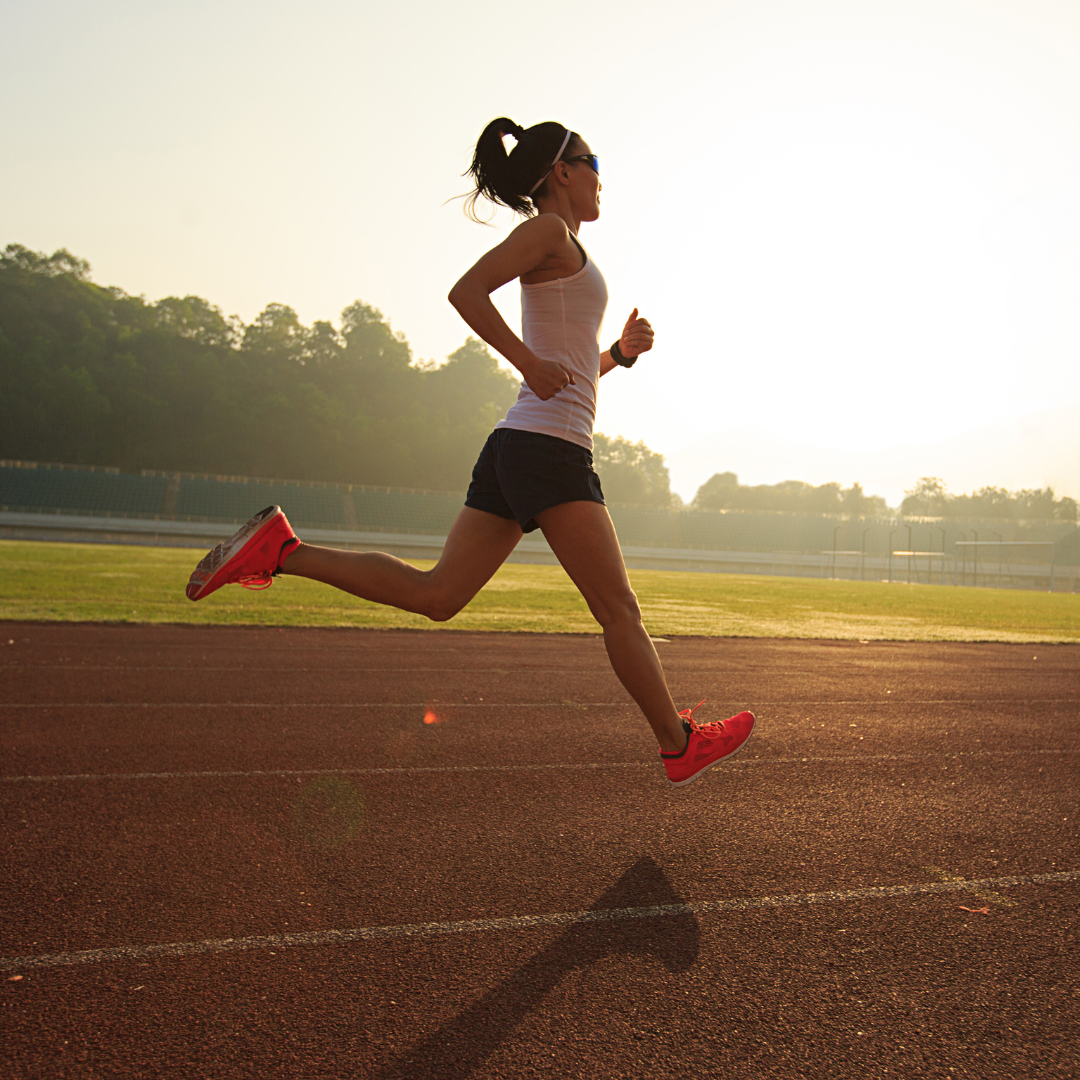
Running places repetitive demands on muscles, joints, and connective tissues. Recovery strategies are essential for maintaining consistency and supporting long-term performance.
Cyclists
Whether training recreationally or competitively, cyclists often incorporate recovery practices into their routines to support performance and wellbeing.
Gym-Goers
Strength training and high-intensity workouts create physical stress that requires adequate recovery to maintain training quality and progression.
Padel and Racquet Sport Players
Fast-paced movements, repetitive actions, and frequent matches can create significant physical demands. Recovery helps support continued participation and enjoyment of the sport.
Active Professionals
Not everyone trains for competition. Many people simply want to stay active, feel good, and maintain a healthy lifestyle while balancing work and personal commitments.
Recovery Is More Than Rest
Recovery is not simply about taking time off.
A complete recovery strategy may include:
- Sleep optimisation
- Hydration
- Nutrition
- Mobility work
- Stress management
- Recovery-focused wellness treatments
The most effective approach is often a consistent combination of these practices.
Creating a Sustainable Recovery Routine
The best recovery routine is one that can be maintained consistently.
Rather than waiting until fatigue or soreness becomes overwhelming, many active individuals build recovery into their weekly schedules as part of a proactive wellness strategy.
Small, consistent actions often deliver greater long-term benefits than occasional recovery efforts.
Red Light Therapy in Ballito
At Glow North, we provide professional red light therapy in Ballito for athletes, active individuals, and wellness-focused clients looking to support recovery and overall wellbeing.
Whether you’re preparing for your next event, maintaining an active lifestyle, or simply prioritising your health, recovery deserves a place in your routine.
Because performance doesn’t only depend on how hard you train—it also depends on how well you recover.